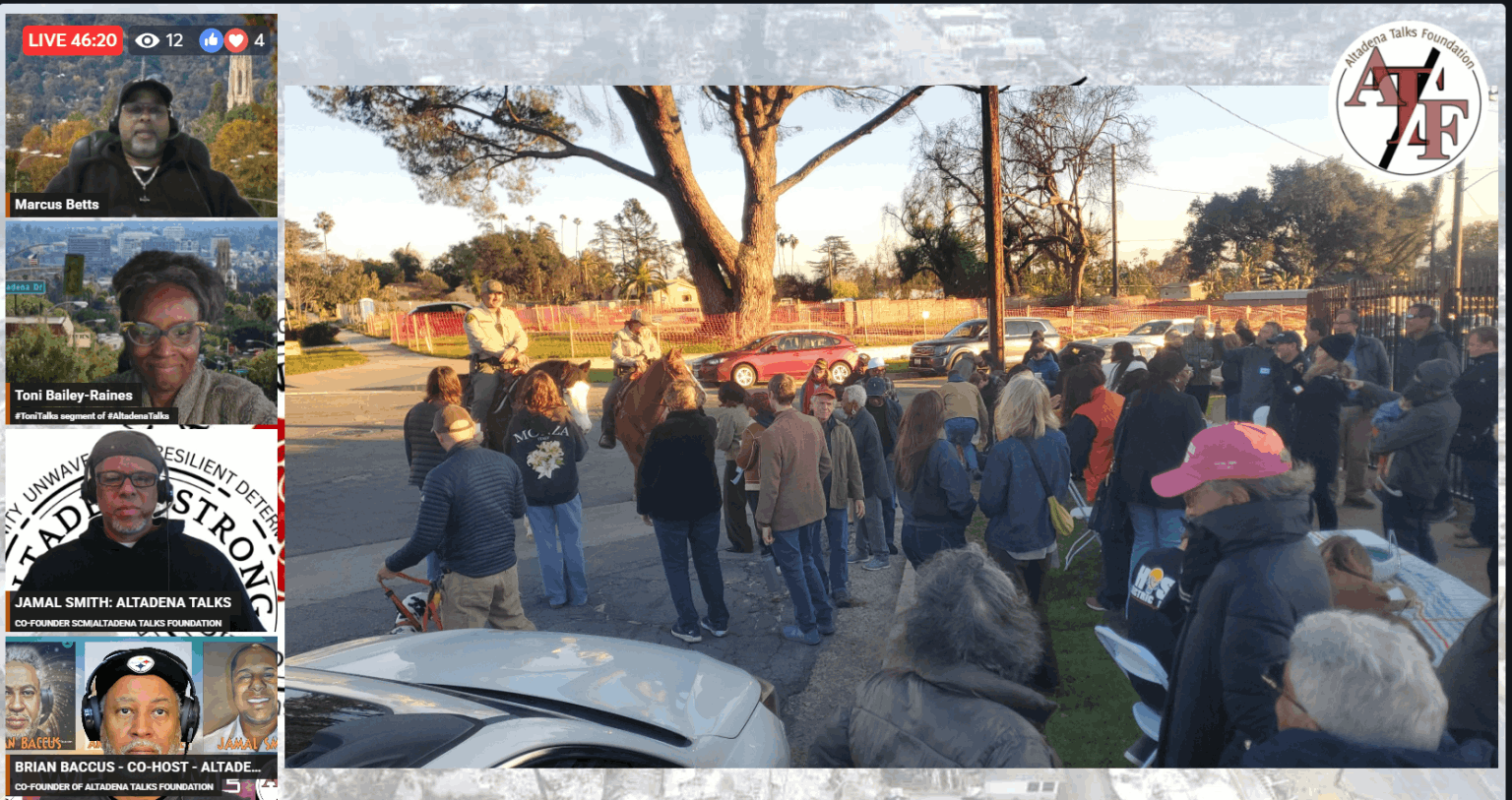
Media Infrastructure for Communities in Crisis
Disaster Voices Lab helps communities build trusted local media systems that activate before, during, and after disasters—so residents know where to go, what to do, and who to trust.
Built from real-world disaster recovery. Designed to be replicated city to city.
Community Media as Infrastructure
We treat podcasting and local media as critical infrastructure—not entertainment—used to deliver accurate information, resources, and recovery updates when traditional systems are overwhelmed.
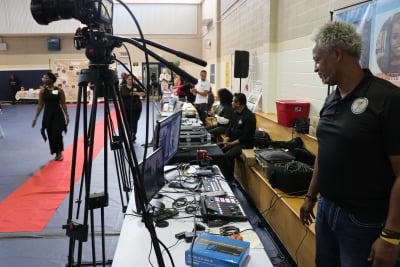
We treat podcasting and local media as critical infrastructure—not entertainment—used to deliver accurate information, resources, and recovery updates when traditional systems are overwhelmed.
Using the Altadena Talks model, we provide a proven, replicable framework communities can adapt to alert residents, coordinate aid, and document recovery.
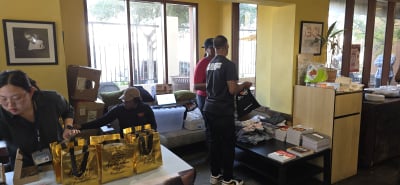
We integrate food access, mutual aid, and nonprofit coordination directly into community media—because recovery starts with dignity, clarity, and connection.
When disaster strikes, communities are often left navigating delayed updates, conflicting information, and broken communication channels.
Disaster Voices Lab was created to close that gap.
Born from real-world recovery work, this initiative shows how local media can become a trusted alert and resource system—guiding residents to food, housing, financial assistance, and recovery pathways while preserving community voice and accountability.
This is not theory.
This is a working model.
Sports Hub
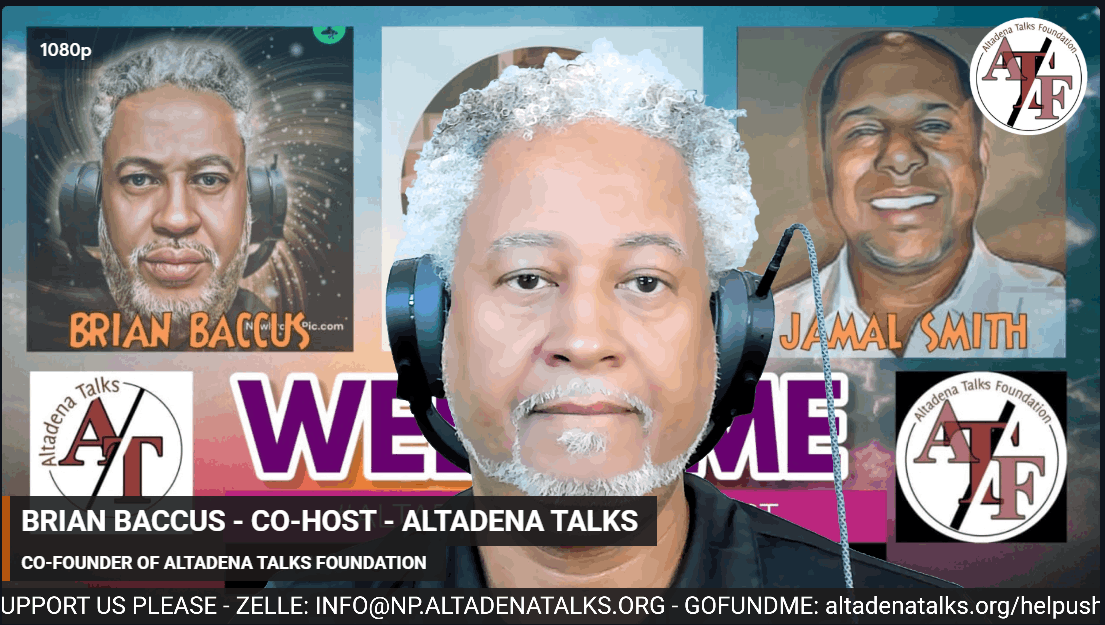
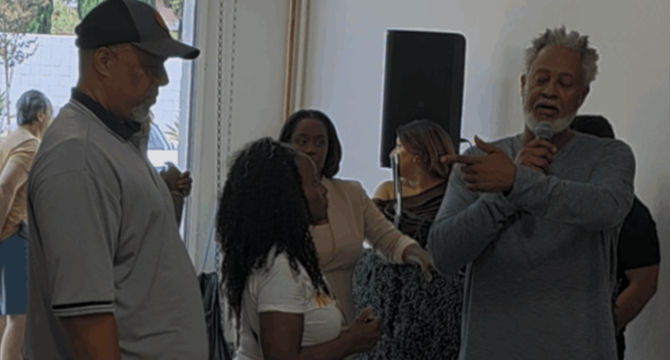
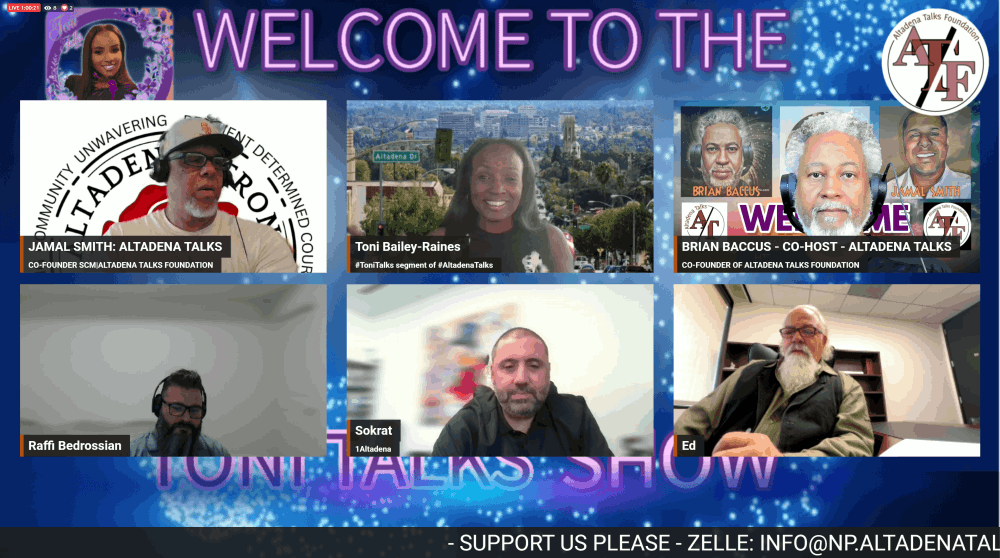
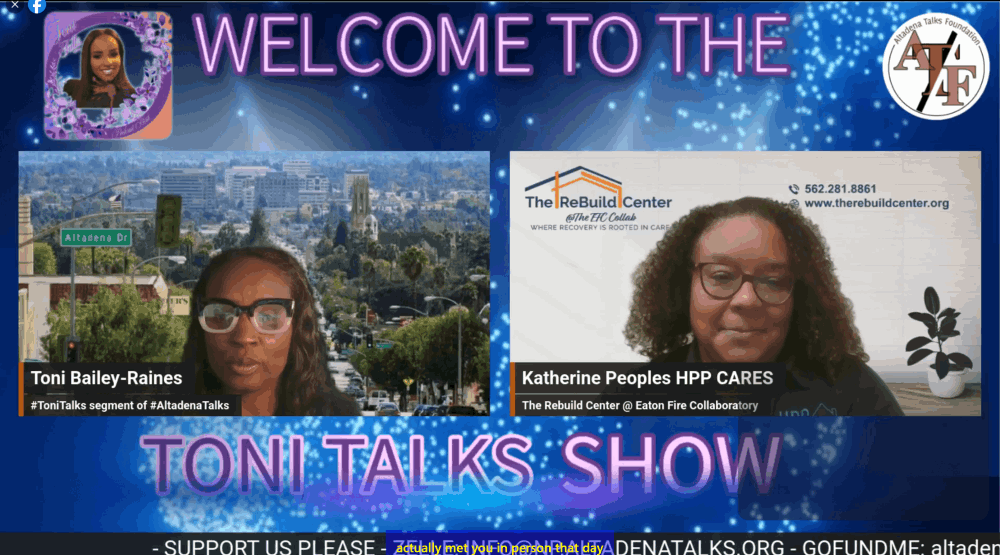
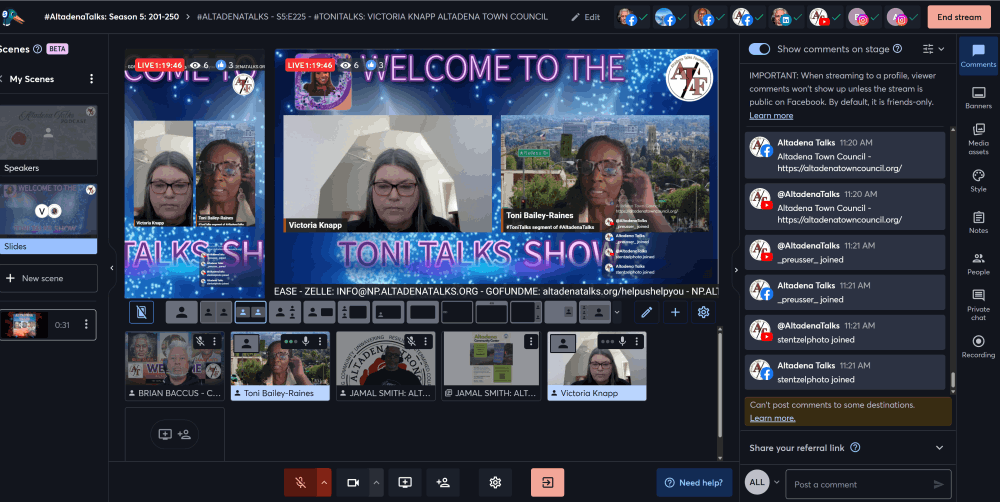
Altadena Talks emerged during disaster recovery as a community-first media platform producing consistent, trusted updates while elevating local voices, nonprofits, builders, and responders.
What it demonstrated:
• Local media can stabilize communities during crisis
• Podcasting can function as real-time infrastructure
• Community trust outperforms outside coverage
• Every community needs its own microphone
Disaster Voices Lab exists to help other regions replicate this model—before they need it.
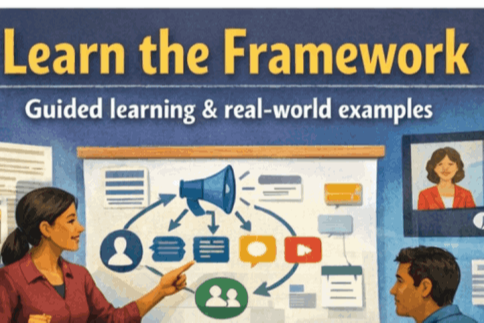
Understand how disaster recovery media works through guided learning and real-world examples.
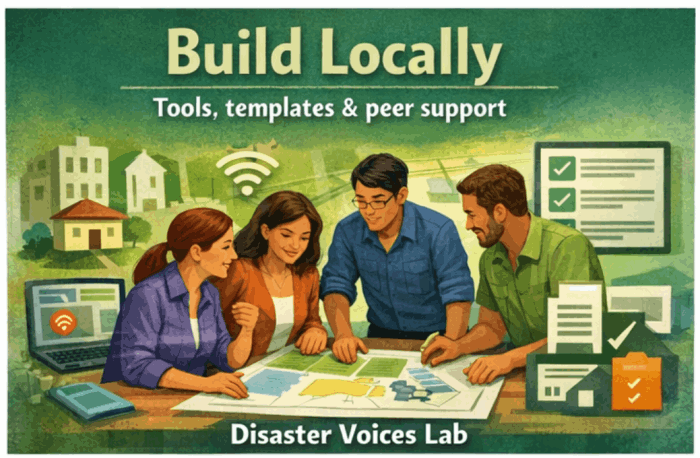
Apply the framework to your city or region using tools, templates, and peer support.
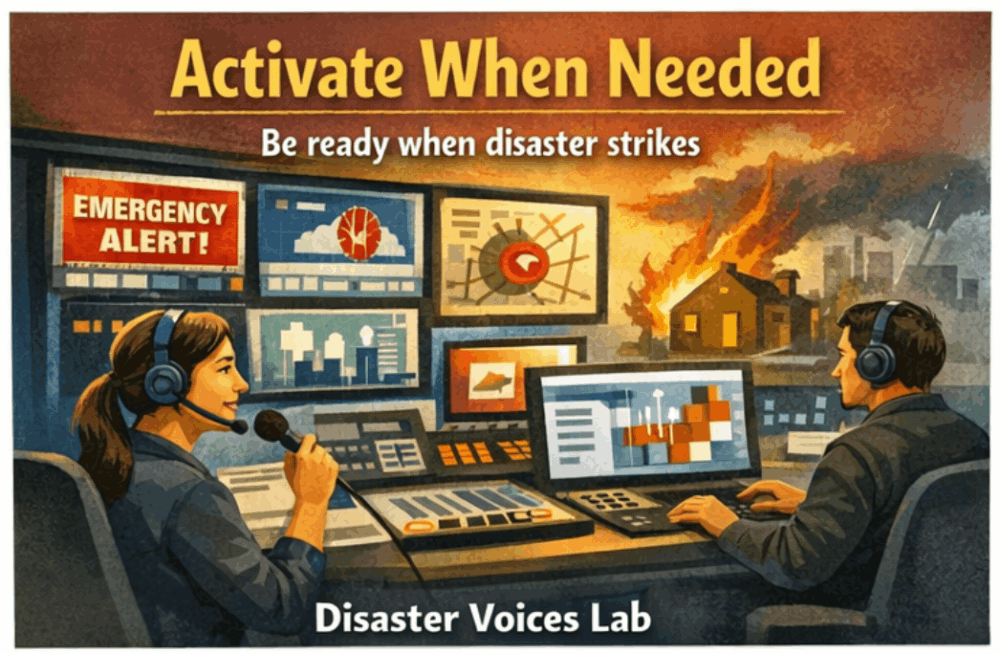
When disaster strikes, your media system is already in place—ready to alert and guide.
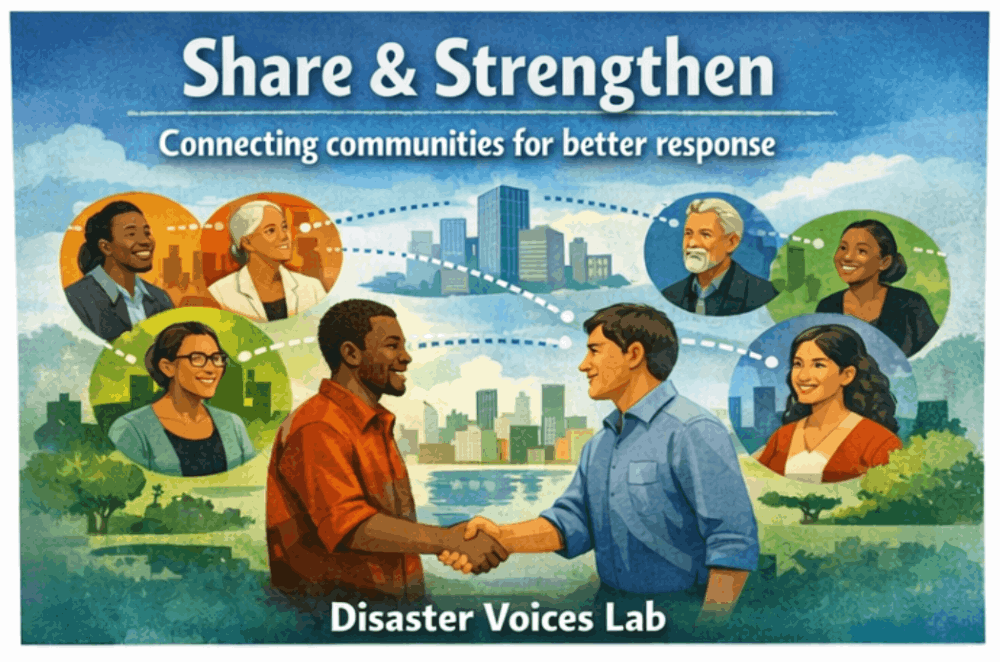
Communities learn from each other, improving response city to city.
Community podcasters and local media makers
Nonprofit leaders and organizers
Food justice and mutual aid groups
Disaster response communicators
Cities preparing for future emergencies
If your community needs clarity, coordination, and voice—this is for you.
Disaster Voices Lab operates through a private Skool community where members access training, playbooks, live office hours, and city-to-city collaboration.
The website explains the mission.
The community does the work.
Community voice over clout
Accuracy over speed
Service over self-promotion
Collaboration over competition
Media as public service
Sarah Johnson
October 12, 2025
We really appreciate with DVL has taught us in times of crises. Not sure where to start was the main focus on why I wanted to learn as much as I could to help my community

Daniel Kim
February 28, 2025
“The equipment and training spaces are excellent. Everything is modern and well-maintained, which makes every workout comfortable and enjoyable.”

Emily Carter
March 5, 2025
“The coaches here are fantastic—knowledgeable, supportive, and always ready to push me to do my best. I’ve improved our knowledge on the various subjects that were needed to know.”
Michael Lopez
May 18, 2025
By becoming a trusted voice in my community it also kept families together and informed. Without Disaster Voices Lab, I wouldnt have the jumpstart I needed.
Anna Schmidt
July 10, 2025
“Every time I come here, I feel energized. The atmosphere is so positive, and everyone motivates each other—it makes training fun.”
James Patel
August 2, 2025
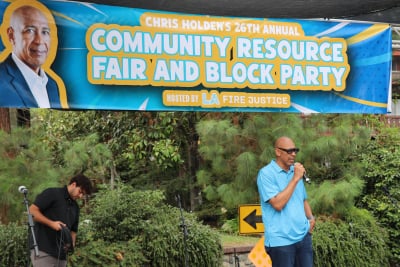
“The community events are highlights for me. They’re organized so well and really bring people together, and keep us coming back to the town we've grown to love.”